先听我说About me — click the yellow-underlined places to learn more
1. 你叫什么名字?
What's your name?
→
我叫杨晓静,你可以叫我晓静老师。
My name is Yang Xiaojing. You can call me Teacher Xiaojing.
2. 你是哪国人?
Where are you from?
→
我是中国人,住在青岛。青岛在海边。
I'm Chinese, and I live in Qingdao. Qingdao is by the sea.
青岛Qīngdǎo
A seaside city in Shandong, on China's east coast. It was a German concession from 1898 to 1914 — you can still see the red-roofed buildings — and 青岛啤酒 (Tsingtao Beer) was founded here in 1903. Famous for beaches and seafood.
青岛的海鲜很好吃。Qingdao's seafood is delicious.
3. 你的工作是什么?
What do you do?
→
我是中文和韩语老师。
I'm a Chinese and Korean teacher.
4. 你的爱好是什么?
What are your hobbies?
→
我喜欢旅行,我去过丽江和成都。
I love traveling. I've been to Lijiang and Chengdu.
丽江Lìjiāng
In Yunnan, in China's southwest. Its Old Town, with stone streets and canals, became a UNESCO World Heritage Site in 1997. It's home to the Naxi people and sits below 玉龙雪山 (Jade Dragon Snow Mountain, 5,596 m).
丽江很漂亮。Lijiang is beautiful.
成都Chéngdū
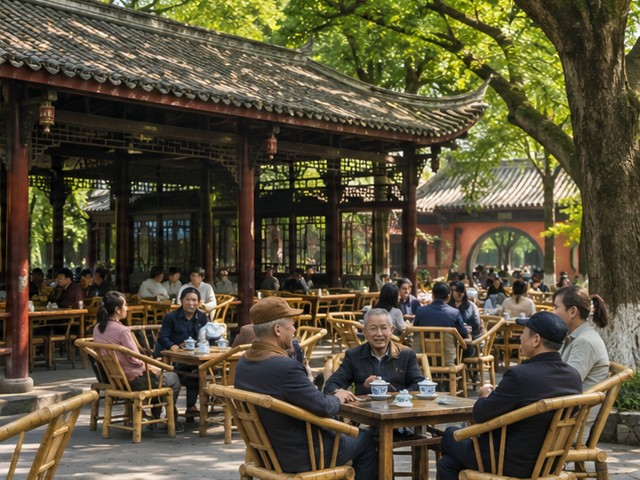
The capital of Sichuan. Famous for its giant panda research base, spicy Sichuan food and hotpot, and its relaxed teahouse life.
成都的火锅很辣!Chengdu's hotpot is really spicy!
现在换你说Your turn — type your answer, or click a word to add it
1. 你叫什么名字?
What's your name?
→
我叫……
还没有中文名字? Need a Chinese name? Click here
A Chinese name puts the surname first, then a one- or two-character given name. The best names for foreigners usually sound a bit like your own name and use characters with a good meaning. Click a name to see what it means.
艾丽莎
Closest to "Eliza"
Ài Lìshā
艾 Ài — a real Chinese surname (not very common, so it stands out), and it sounds like the "E-" in Eliza · 丽 lì — beautiful · 莎 shā — often used in women's names (丽莎 = Lisa)
Chinese friends will recognize "Eliza" in it right away.
李莎
Short, very Chinese
Lǐ Shā
李 Lǐ — one of the most common Chinese surnames, from "E-li-za" · 莎 shā — from "-za"
Sounds like a real Chinese person's name.
艾丽
Simple and easy to write
Ài Lì
艾 Ài — surname, "E-" · 丽 lì — "-li-", beautiful
Only two characters — easy to write from your first week.
艾乐知
Sound + a special meaning
Ài Lèzhī
艾 Ài — surname, the "E-" sound · 乐 lè — to enjoy, to find joy in · 知 zhī — to know
乐知 = "finding joy in knowing". It comes from Confucius: 知之者不如好之者,好之者不如乐之者 — "Those who know it are not as good as those who love it; those who love it are not as good as those who enjoy it." A name for someone who learns languages for fun.
Tell me your last name and I can find a surname that sounds like it, too. You can also keep "Eliza" — that's completely fine.
2. 你是哪国人?
Where are you from?
→
我是……
3. 你的工作是什么?
What do you do?
→
我是……
更多职业 More jobs
Not on the list? Type your job in English — I'll tell you the Chinese. Retired? Say 我退休了 wǒ tuìxiū le.
4. 你的爱好是什么?
What are your hobbies?
→
我喜欢……
02
中国初印象
Warm-up: a first look at China
你已经会说中文了!You already speak some Chinese
I say a word in Chinese — you guess the English. Then click the card to check. These are loanwords (外来词 wàiláicí). Chinese doesn't just copy the sound — it makes the word its own in three main ways:
音译 sound only音译 + 类别 sound + a word saying what kind of thing音义兼译 characters chosen for sound and meaning
Many foreign ideas aren't borrowed by sound at all, but translated by meaning: 科学 science, 电脑 computer ("electric brain").
kāfēi
?
coffee
咖啡
音译 sound only
Borrowed by sound.
shāfā
?
sofa
沙发
音译 sound only
Borrowed by sound.
bāshì
?
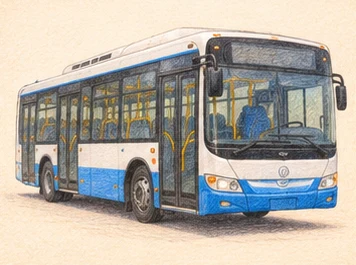
bus
巴士
音译 sound only
Borrowed by sound, via Cantonese. In mainland China people usually say 公交车 gōngjiāochē.
pīsà
?
pizza
披萨
音译 sound only
Borrowed by sound.
píjiǔ
?
beer
啤酒
音译 + 类别 sound + category
啤 sounds like "beer" + 酒 = alcohol, telling you what kind of thing it is. (Remember 青岛啤酒!)
hànbǎobāo
?
hamburger
汉堡包
音译 + 类别 sound + category
汉堡 sounds like "Hamburg" + 包 = bun. People often just say 汉堡.
kělè
?
cola
可乐
音义兼译 sound + meaning
From 可口可乐 Kěkǒu Kělè, Coca-Cola: it sounds like the English, and means "tasty and fun". Now 可乐 means any cola.
jīyīn
?
gene
基因
音义兼译 sound + meaning
Sounds like "gene", and the characters mean "basic" + "cause" — a good fit for a science word.
中国初印象A first look at China
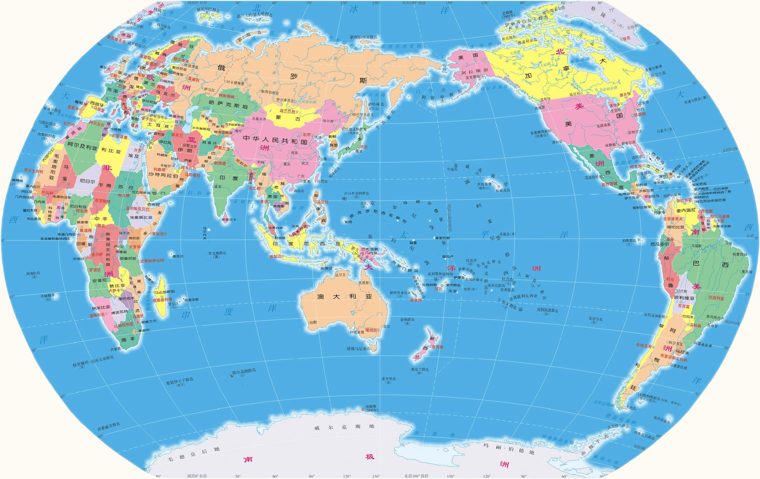
📌中国 Zhōngguó · China
960万平方公里9.6 million km² · click
jiǔbǎi liùshí wàn píngfāng gōnglǐ万 wàn = ten thousand. Chinese counts big numbers in 万, so 9.6 million = 960 万. 平方公里 = square kilometres.
14亿多人口1.4+ billion people · click
shísì yì duō rénkǒu亿 yì = 100 million · 多 duō = "more than" · 人口 rénkǒu = population. Official figure for the end of 2025: 140,489 万 (about 1.405 billion).
56个民族56 ethnic groups · click
wǔshíliù gè mínzú民族 mínzú = ethnic group. The largest is 汉族 Hànzú, the Han. You'll meet another one in Lijiang: the Naxi 纳西族.
What comes to mind when you think of China? Click a photo to learn the word.
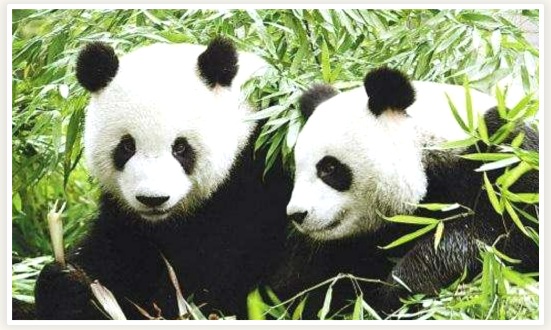
熊猫panda
xióngmāo
熊 bear + 猫 cat = "bear-cat". Wild pandas live only in China, in the mountains of Sichuan, Shaanxi and Gansu; the 2015 national survey counted 1,864. Chengdu has a famous panda research base.
长城the Great Wall
Chángchéng
长 long + 城 city wall. Not one wall but a network of walls built and rebuilt over more than 2,000 years — 21,196 km in total. Most of what tourists visit was built in the Ming dynasty (1368–1644).
火锅hotpot
huǒguō
火 fire + 锅 pot. Everyone cooks their own food in boiling broth at the table. Now there's also 旋转火锅 xuánzhuǎn huǒguō (conveyor-belt hotpot) and 小火锅 xiǎo huǒguō — a small pot just for you.
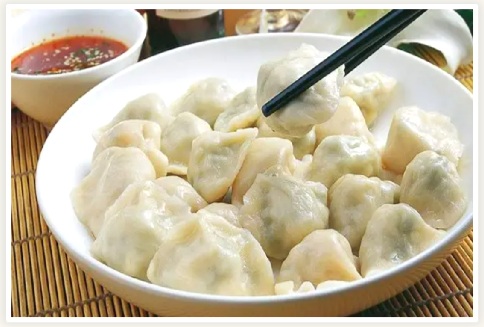
饺子dumplings
jiǎozi
Eaten all year, and especially at Spring Festival. Many families make them at home, but frozen dumplings from the supermarket and dumpling restaurants are just as common.
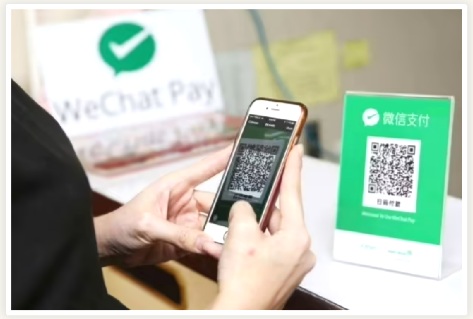
微信支付WeChat Pay
Wēixìn zhīfù
Most people pay by phone with WeChat Pay or 支付宝 Zhīfùbǎo (Alipay) — scan a QR code, even at a street food stall.
03
你的中文
Your Chinese so far
拼音小检查A quick pinyin check
You know pinyin and tones already — let's hear them! Read each card out loud, then click 🔊 to compare. 常用例子 · Common examples: each sound appears in many words. I chose these from today's lesson and your interests, so you'll use them again in a few minutes.
zh · ch · sh · r
Zhōngwén · chàng gē · shū · rènshi
中文 Chinese · 唱歌 sing · 书 book · 认识 get to know
z · c · s
zuò fàn · cài · sànbù
做饭 cook · 菜 dish · 散步 take a walk
j · q · x
jìlùpiàn · qù · xǐhuan
纪录片 documentary · 去 go · 喜欢 like
ü
nǚ · lǚxíng · yīnyuè
女 female · 旅行 travel · 音乐 music
Why is 音乐 yuè written without dots?
After j, q, x and y, Chinese never uses a plain "u" sound — so the dots aren't needed: ju, qu, xu, yu, yue are always ü. (去 qù = q + ü)
After n and l, both sounds exist, so the dots must stay: lù 路 road ≠ lǜ 绿 green, nǔ 努 ≠ nǚ 女.
四个声调 + 轻声 · Four tones + neutral tone
tīng · xué · xiě · kàn
听 listen · 学 learn · 写 write · 看 look — one verb from today for each tone
xǐhuan · nǐ ne
喜欢 like · 你呢 and you? — 轻声 neutral tone: the 欢 in 喜欢 and 呢 are light and short, so they have no tone mark.
变调 Tone changes
nǐ hǎo · bú tài · yìqǐ
你好 hello · 不太 not really · 一起 together
How do these tones change?
你好: two 3rd tones in a row → say the first one as a 2nd tone. It's still written nǐ hǎo, but said ní hǎo.
不 bù → bú before a 4th tone: 不太 bú tài, 不是 bú shì.
一 yī → yì before a 1st, 2nd or 3rd tone: 一起 yìqǐ; → yí before a 4th tone: 一个 yí ge.
Textbooks usually write the new tone for 不 and 一, but not for 3rd + 3rd.
你告诉我的 · From your message
拼音、声调 ✓ Pinyin & tonesYou already know pinyin, so no pinyin course. Today we'll check the sounds that are easy to get wrong or hard to say. Anything that needs more practice, we'll work on again in the next class.
韩语 → 汉字 Korean → Chinese charactersYou've seen Chinese characters through Korean — a real head start.
话题 日常生活 · 文化 · 科学和健康Topics: daily life, culture, science & health — all three are in today's lesson.
58.5% of the words in the Standard Korean Language Dictionary (표준국어대사전) are Sino-Korean (한자어), according to the National Institute of Korean Language. They came from Chinese, so they often sound alike. Every word below is from today's lesson — say the Korean, then listen to the Chinese. Korean hanja are traditional characters; China uses
简体字是怎么来的? · Where do simplified characters come from?
In 1956 China published the Chinese Character Simplification Scheme (汉字简化方案) to make reading and writing easier to learn. The final list (简化字总表, 1986) has 2,235 simplified characters — they're used in mainland China and Singapore. Taiwan, Hong Kong and Macau still use traditional characters, and so do Korean hanja.
Most simplified forms weren't invented in 1956: many were shortcuts people had been writing by hand for centuries.
整个部首变简单 · Simpler radical語 → 语 · 話 → 话 · 動 → 动
保留一部分 · Keep one part廣 → 广 · 聲 → 声
用草书写法 · From handwriting樂 → 乐 · 學 → 学
换更简单的部件 · Simpler parts國 → 国 · 體 → 体
Look at today's table: 國→国, 樂→乐, 體→体, 運→运, 場→场, 廣→广, 養→养, 極→极. Once you know the traditional form from Korean, the simplified one is usually easy to guess.
한국어 Korean
한자 Hanja
中文 Chinese
English
今天在 Today in
한국 hanguk
韓國
韩国 Hánguó
Korea
dialogue
미국 miguk
美國
美国 Měiguó
the USA
dialogue
영국 yeongguk
英國
英国 Yīngguó
the UK
dialogue
중국 jungguk
中國
中国 Zhōngguó
China
dialogue
애호 aeho
愛好
爱好 àihào
hobby
dialogue
문화 munhwa
文化
文化 wénhuà
culture
topic
미식 misik
美食
美食 měishí
fine food
dialogue
공원 gongwon
公園
公园 gōngyuán
park
dialogue
광장 gwangjang
廣場
广场 guǎngchǎng
square (广场舞)
dialogue
운동 undong
運動
运动 yùndòng
exercise
key sentence
신체 sinche
身體
身体 shēntǐ
body
dialogue
양생 yangsaeng
養生
养生 yǎngshēng
wellness
culture card
태극권 taegeukgwon
太極拳
太极拳 tàijíquán
tai chi
dialogue
发音规律 · Sound patterns that help you guess
-ng stays -ng 공 gong → 公 gōng · 광 gwang → 广 guǎng · 양 yang → 养 yǎng · 영 yeong → 英 yīng
-n stays -n 문 mun → 文 wén · 신 sin → 身 shēn · 운 un → 运 yùn
-k, -l, -p disappear 국 guk → 国 guó · 식 sik → 食 shí · 극 geuk → 极 jí · 십 sip → 十 shí
What's new for you: tones Korean has no tones, so the sound is often familiar but the tone is new — that's what we'll practise.
04
今天的课 · 你喜欢做什么?
Today's lesson · What do you like to do?
今天的课是怎么设计的? How is today's lesson built?
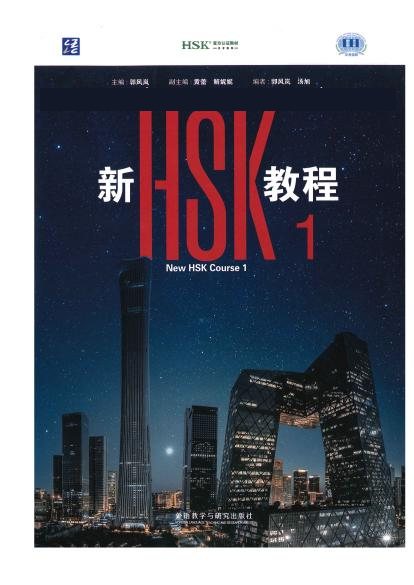
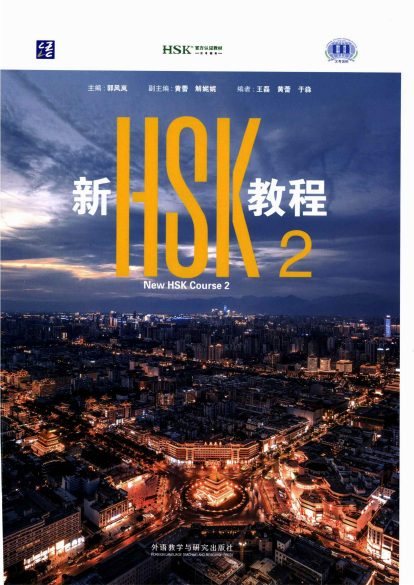
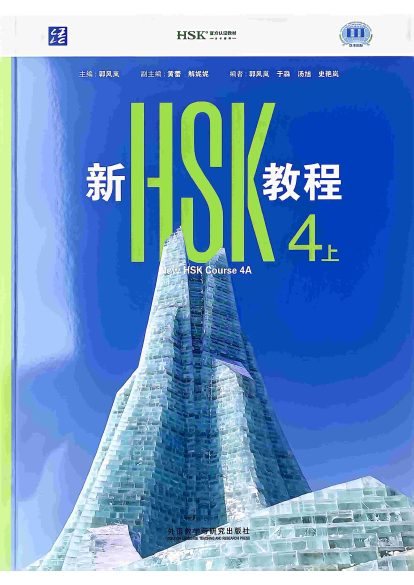
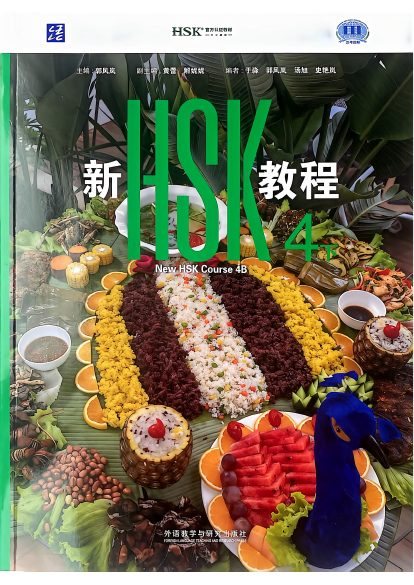
My lessons follow the textbook 《新HSK教程》 (2026, for the new HSK 3.0 standard) and add topics from your interests and real life. Today's lesson is built the same way:
I like learning foreign languages. I can speak English and Korean, and now I'm learning Chinese.
晓静
太厉害了!你还喜欢做什么?
That's amazing! What else do you like doing?
你
我也喜欢听音乐和看科学纪录片。你呢?
I also like listening to music and watching science documentaries. What about you?
晓静
我也喜欢纪录片!你可以看《舌尖上的中国》,是中国美食纪录片。
I like documentaries too! You can watch A Bite of China — it's a documentary about Chinese food.
你
好!我也喜欢中国菜。
OK! I like Chinese food too.
晓静
我还喜欢跑步,每天早上去公园跑步。
I also like running. I go running in the park every morning.
你
中国的公园早上人多吗?
Are there lots of people in Chinese parks in the morning?
晓静
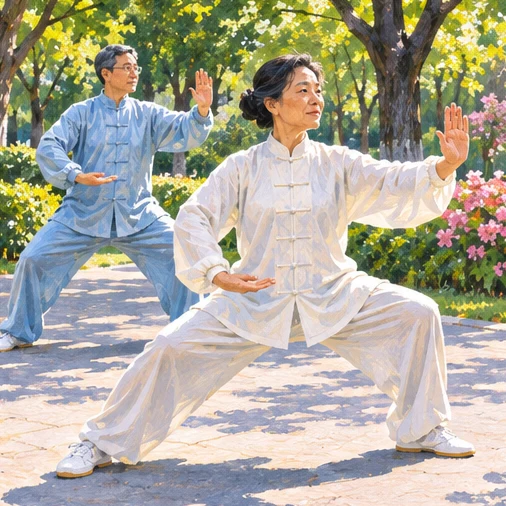
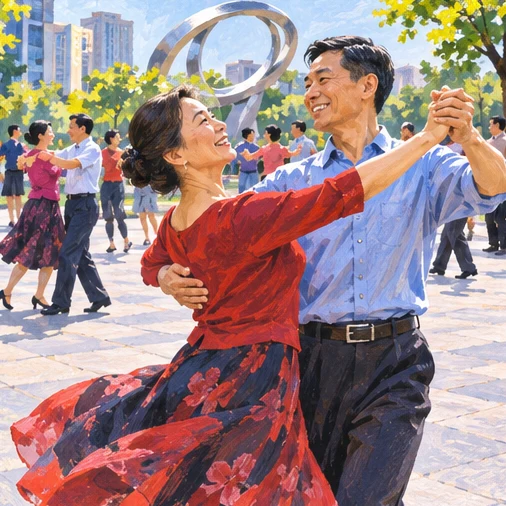
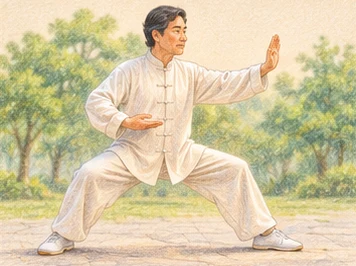
很多!有人跳广场舞,有人打太极拳。
Lots! Some people do square dancing, some do tai chi.
你
太极拳?我想学!
Tai chi? I want to learn it!
晓静
好啊!太极拳对身体很好。
Sure! Tai chi is good for your health.
你
那我们一起去吧!
Then let's go together!
晓静
好啊!我们加个微信吧。
Great! Let's add each other on WeChat.
你
好,我扫你!
OK, I'll scan your code!
今天的重点句 Key sentences
你是美国人吗?Are you American?
你喜欢做什么?What do you like to do?
我喜欢听音乐,你呢?I like music. And you?
我也喜欢听音乐。I like listening to music too.
我想学太极拳。I'd like to learn tai chi.
我们加个微信吧!Let's add each other on WeChat!
运动对身体很好。Exercise is good for your body.
文化和现代生活Culture & modern life — words you can use right away, click to learn
广场舞
square dancing
guǎngchǎngwǔ
In squares and parks, especially in the evening, groups of people dance together to music — it's especially popular with middle-aged and older people. Exercise, music and friends, all in one.
我想看广场舞。I'd like to see square dancing.
太极拳
tai chi
tàijíquán
Slow, flowing movements, often done in parks early in the morning. Studies suggest it helps balance and flexibility.
太极拳对身体很好。Tai chi is good for your body.
养生
"nourishing life" — wellness
yǎngshēng
A big part of daily life in China: eating by the season, going to bed early, keeping warm. Young people joke about 朋克养生 "punk wellness" — staying up late, but with goji berry tea.
我也喜欢养生。I'm into wellness too.
多喝热水
"drink more hot water"
duō hē rè shuǐ
The classic Chinese advice for a cold, a headache, almost anything. It's become an internet joke — but when a friend says it, they're showing they care.
你感冒了?多喝热水!You have a cold? Drink more hot water!
加微信
add someone on WeChat
jiā Wēixìn
When Chinese people meet someone new, they don't swap phone numbers — they scan each other's WeChat QR code. WeChat is for chatting, calls, paying and even booking a doctor.
我们加个微信吧!Let's add each other on WeChat!
舌尖上的中国
A Bite of China
Shéjiān shàng de Zhōngguó
A CCTV documentary series first shown in 2012 about Chinese food — where it comes from and the people who make it. A great one to watch with English subtitles; later you can try it in Chinese.
你可以看《舌尖上的中国》。You can watch A Bite of China.
Characters were made in a few main ways. Here are the four you'll meet all the time. Each class we look closely at one way, using characters from that day's lesson, and link them to characters you've learned or will meet next time — so the patterns keep coming back and you start to guess new characters yourself. Today's focus: 会意 meaning + meaning — plus one example of each of the other three.
六书 · Why four, not six?
Traditionally there are six (六书 liùshū, from 《说文解字》): 象形, 指事, 会意, 形声, 转注 and 假借. Many scholars say only the first four are ways of making characters; 转注 and 假借 are ways of using characters that already exist (“四体二用”). For example, 假借 “borrowing”: 来 was first a picture of wheat, and was borrowed for the word “to come”, which sounded the same. That's why we learn the four you meet in every character — 转注 and 假借 come later.
象形 Pictographs — The oldest characters are small drawings. Over 3,000 years the drawings became strokes.
先看一个 · Just one for today. You already met 女, 子 and 目 inside 好 and 看 — we'll look at them properly in a later class.
rén
人person
A person standing, seen from the side — you can still see the body and the legs.
Memory aid: a person's root → the body. Fun fact: the traditional form 體 (Korean 體 체) is meaning + sound: 骨 bone + 豊 (sound). 体 was an old handwritten short form that became the simplified one.
字 今天学 today 字 今天见过(在别的字里)seen inside another character 字 今天的词,下节课讲 today's word, explained next class 字 下节课预习 next class (Lesson 4 · family) From next class, the characters you have learned turn green — today is the first class, so there aren't any yet. Next class focus: 形声 meaning + sound — 们 吗 想 爸 妈 姐 妹 孩.
Ancient forms: Wikimedia Commons, Ancient Chinese Characters Project (public domain). 甲骨文 oracle bones (Shang, c. 1250–1050 BCE) · 金文 bronze inscriptions (Shang–Zhou) · 小篆 small seal (Qin, 221 BCE) · 楷书 regular script (today).
今天的词Today's words — read the English, say it in Chinese, click to check
hobby
Click →
爱好
àihào
你的爱好是什么?
learn foreign languages
Click →
学外语
xué wàiyǔ
我喜欢学外语。
science documentary
Click →
科学纪录片
kēxué jìlùpiàn
我喜欢看科学纪录片。
park
Click →
公园
gōngyuán
我每天去公园散步。
body
Click →
身体
shēntǐ
运动对身体很好。
tai chi
Click →
太极拳
tàijíquán
我想学太极拳。
can (a learned skill)
Click →
会
huì
我会说英语和韩语。
would like to
Click →
想
xiǎng
我想去中国旅行。
together
Click →
一起
yìqǐ
我们一起去吧!
05
学习路线
Your learning roadmap
短期目标 · HSK 1新HSK教程 1
300词语 words246汉字 characters40语法点 grammar points
2 classes a week → about 2 months 1 class a week → about 4 months
To finish Book 4:2 a week → about 1–1.5 years · 1 a week → about 2.5 yearsThen HSK 5–6 新书还没出版 · not published yet2 a week → +1.5–2 years · 1 a week → +3–4 yearsRough estimate — I'll update it when the books come out.
Have real conversations about culture, health and science
Give your opinion and explain it in detail
Read articles written for Chinese readers
Follow documentaries and the news with some help
Write longer messages and short essays
HSK 5–6: talk about work, society, the environment, history and the arts — 5,400 words and 1,940 characters by HSK 6
……等等 and much more
All times are counted from today. Numbers are totals counted from HSK 1: words and characters from the official HSK syllabus (2025), grammar points counted from the 新HSK教程 books. 词语 = words (a word can have one or more characters). Estimates for 45–50 minute one-on-one classes. Your real pace will decide — I'll check progress with you regularly and adjust.
你在这里 · You are here
初级 Beginner
新HSK教程 1
Talk about yourself and your day
15 课 · 约 13–18 节15 lessons · about 13–18 classes
初级 Elementary
新HSK教程 2
Chat about daily life and experiences
15 课 · 约 20–25 节15 lessons · about 20–25 classes
中级 Intermediate
新HSK教程 3
Get by on your own in China
18 课 · 约 28–35 节18 lessons · about 28–35 classes
中级 Intermediate
新HSK教程 4 上/下
Talk about culture, health and science
20 课 · 约 45–60 节20 lessons · about 45–60 classes
高级 Advanced
新HSK教程 5–6
Read and discuss real articles, news and books
新版即将出版 · 约 150–200 节(估算)Not published yet · about 150–200 classes (estimate)
新HSK教程 1 15 lessons · 300 words · 40 grammar points · about 13–18 classes
Pace 节奏: most lessons take 1–1.5 classes. Short lessons on the same topic can share one class (like Lessons 2 and 3 today); longer ones can take 2. For example, Lessons 4 and 5 together will take about 2–3 classes — and we've already previewed 会 from Lesson 5.
After this book you can: introduce yourself and your family, give phone numbers and times, shop, order a drink, talk about the weather and about a movie you watched.
➕ 话题延伸都是暂定的 — every lesson gets one extra topic, but these are only ideas. We'll choose together, based on what you want to talk about.
⏱ about 1–1.5 classes➕ 话题延伸(暂定)Extra topic, tentative: 中国菜和外卖
14我看了一个电影I watched a movie
🎯 Talking about what you did3 个语法点 grammar points
动态助词“了”(2) Completed action 了
离合词(1) Separable verbs
范围副词“都” 都 (all)
⏱ about 1–1.5 classes➕ 话题延伸(暂定)Extra topic, tentative: 中国电影和音乐
15大兴机场见!See you at Daxing Airport!
🎯 Travel plans; meeting at the airport1 个语法点 grammar points
“……,还/也……” Adding more: 还/也
⏱ about 1 class➕ 话题延伸(暂定)Extra topic, tentative: 高铁旅行
Where you are now: Lesson 1 of the textbook is pinyin and tones, which you already know, so we skipped it. Today's lesson covered Lessons 2 and 3 of the textbook, so the next class starts with Lesson 4 and we go through the book in order. Each lesson takes about 1–1.5 classes and comes with an extra topic linked to it and to your interests.
额外话题(暂定)· Extra topics — just ideas
Every lesson has one (click a lesson above to see it). Here are a few highlights — we can change any of them.
配合第9课 · with Lesson 9早上的公园Morning in a Chinese park
Who is in a park at 7 a.m. and what they do — we started this today.
散步 sànbù walk · 广场舞 guǎngchǎngwǔ square dancing · 太极拳 tàijíquán tai chi
配合第13课 · with Lesson 13中国菜和外卖Chinese food & delivery apps
How people order food in restaurants and on apps like 美团 Měituán.
外卖 wàimài takeout · 点菜 diǎn cài order dishes · 辣 là spicy
配合第8课 · with Lesson 8看医生Seeing a doctor
Simple phrases for a clinic visit: saying what's wrong and understanding the doctor.
感冒 gǎnmào a cold · 发烧 fāshāo fever · 药 yào medicine
配合第7课 · with Lesson 7养生Chinese wellness
Everyday habits Chinese people believe keep you healthy.
热水 rè shuǐ hot water · 早睡早起 zǎo shuì zǎo qǐ early to bed, early to rise · 枸杞 gǒuqǐ goji berries
配合第10、15课 · with Lesson 10, 15高铁和移动支付High-speed rail & mobile payment
Listening to a simple Chinese pop song together and learning a few lines.
流行歌 liúxíng gē pop song · 歌手 gēshǒu singer · 唱歌 chàng gē sing
你想加的……your ideas — just tell me
新HSK教程 2 15 lessons · about 200 new words (≈500 total) · 45 grammar points · about 20–25 classes
After this book you can: take a taxi, plan a trip, visit a Chinese friend's home, celebrate birthdays and Spring Festival, compare things ("colder than Beijing"), and connect ideas with "even though … still …".
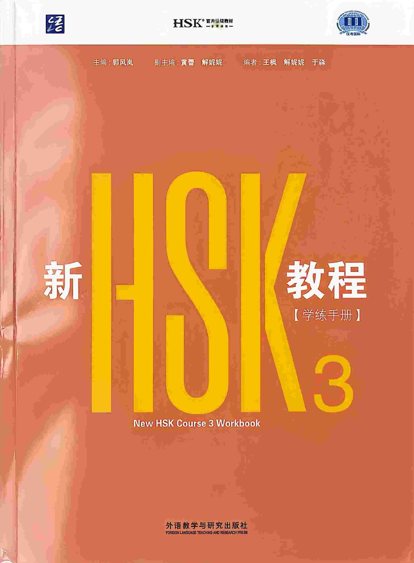
新HSK教程 3 18 lessons · 500 new words (≈1,000 in total) · 63 grammar points · about 28–35 classes
After this book you can: handle most everyday situations in China on your own — airports, hotels, takeout on the high-speed train, a hospital visit — and talk about weather, neighbours and the people around you.
1我们去机场接你们We will pick you up at the airport
🎯 Arriving in China3 个语法点 grammar points
“看上去/看起来” Looks like …
疑问代词的非疑问用法(1) Question words used as indefinites
多项定语 Multiple modifiers
⏱ about 1.5–2 classes➕ 话题延伸(暂定)Extra topic, tentative: 到中国的第一天:手机卡和 App
2你们想吃什么就点什么You can order whatever you feel like
🎯 Ordering at a restaurant3 个语法点 grammar points
“又……又……” Both … and …
疑问代词的非疑问用法(2) Question words: whatever …
疑问代词的非疑问用法(3) Question words used as indefinites
⏱ about 1.5–2 classes➕ 话题延伸(暂定)Extra topic, tentative: 点菜和 AA 制
3这个小区挺好的This neighborhood is pretty nice
🎯 Where you live3 个语法点 grammar points
程度副词“挺” Quite: 挺
程度补语(1) Complement of degree
“就”和“才” 就 (sooner than expected) vs. 才 (later than expected)
⏱ about 1.5–2 classes➕ 话题延伸(暂定)Extra topic, tentative: 小区生活:快递柜和广场舞
4这家宾馆跟别的都不一样This hotel is unlike any other
🎯 Hotels3 个语法点 grammar points
“一……也/都+不/没……” Not a single …
比较句(9) Comparisons
“除了……(以外),……都/还/也……” Except / besides
⏱ about 1.5–2 classes➕ 话题延伸(暂定)Extra topic, tentative: 民宿和旅行
5这样的照片才好看Photos like these are the best
🎯 Taking photos4 个语法点 grammar points
程度补语(2) Complement of degree
量词重叠 Reduplicated measure words
存现句(3) Existential sentences
“……了……就……” As soon as …
⏱ about 1.5–2 classes➕ 话题延伸(暂定)Extra topic, tentative: 短视频
6高铁上还可以点外卖You can even order takeout on a high-speed train
🎯 High-speed rail and food delivery3 个语法点 grammar points
“该……了” It's time to …
“如果……,就……” If …, then …
“越来越” More and more
⏱ about 1.5–2 classes➕ 话题延伸(暂定)Extra topic, tentative: 科技和生活
7那条裙子比短裤更好看That skirt looks better than the shorts
🎯 Shopping for clothes4 个语法点 grammar points
连动句(2) Serial verb sentences
比较句(10) Comparisons
程度补语(3) Complement of degree
“不但……,而且……” Not only … but also …
⏱ about 1.5–2 classes➕ 话题延伸(暂定)Extra topic, tentative: 网购和直播带货
8今天我出院了Today I was discharged from the hospital
🎯 Health and hospitals4 个语法点 grammar points
趋向补语的引申用法(1) Extended direction complements
离合词(2) Separable verbs
时量补语(2) Duration complements
“……以前/以后/前/后” Before / after
⏱ about 1.5–2 classes➕ 话题延伸(暂定)Extra topic, tentative: 在中国看病:挂号
9打不好没关系It doesn't matter if you don't play well
🎯 Sports and trying new things3 个语法点 grammar points
“为了……,……” In order to …
可能补语 Complement of potential (打不好)
“越A越B” The more … the more …
⏱ about 1.5–2 classes➕ 话题延伸(暂定)Extra topic, tentative: 全民健身
10你明天再把书还给我You can return the book to me tomorrow
🎯 Borrowing and returning3 个语法点 grammar points
“把”字句(1) 把 sentences
“在……上/中/下” In terms of …
“把”字句(2) 把 sentences
⏱ about 1.5–2 classes➕ 话题延伸(暂定)Extra topic, tentative: 共享单车和共享充电宝
11看来我没办法解决这个问题It seems I can't solve this problem
🎯 Problems and solutions4 个语法点 grammar points
“还是”和“或者” “Or”: 还是 in questions, 或者 in statements
“看来” It seems
“把”字句(3) 把 sentences
“对……来说” For …
⏱ about 1.5–2 classes➕ 话题延伸(暂定)Extra topic, tentative: 解决问题的科学方法
12这个季节天气变化很快The weather changes rapidly in this season
🎯 Seasons and weather4 个语法点 grammar points
“或者……,或者……” Either … or …
趋向补语的引申用法(2) Extended direction complements
范围副词“就” Only: 就
趋向补语的引申用法(3) Extended direction complements
⏱ about 1.5–2 classes➕ 话题延伸(暂定)Extra topic, tentative: 天气和环境
13我的新邻居来自英国My new neighbors come from the UK
🎯 Neighbours and foreigners in China3 个语法点 grammar points
“……的话,就……” If …
“把”字句(4) 把 sentences
“一边……,一边……” While …
⏱ about 1.5–2 classes➕ 话题延伸(暂定)Extra topic, tentative: 外国人在中国
14这本书被别人借走了This book is checked out
🎯 Libraries3 个语法点 grammar points
被动句(1) Passive sentences (被)
“先……,再/然后……” First …, then …
“×什么(啊)” What do you mean …!
⏱ about 1.5–2 classes➕ 话题延伸(暂定)Extra topic, tentative: 中国人的阅读习惯
15我是半个南京人I am basically half a Nanjing local
🎯 City life in Nanjing4 个语法点 grammar points
介词“根据” According to
数量重叠 一+量词+一+量词 One by one (一个一个)
“在……看来” In … 's view
“不一会儿” Before long
⏱ about 1.5–2 classes➕ 话题延伸(暂定)Extra topic, tentative: 南京:历史和城市
16我听说有的熊猫出国了I heard that some pandas have gone abroad
🎯 Pandas4 个语法点 grammar points
“一会儿……,一会儿……” One moment …, the next …
介词“关于” About
“一般来说” Generally speaking
比较句(11) Comparisons
⏱ about 1.5–2 classes➕ 话题延伸(暂定)Extra topic, tentative: 科学新闻里的词、熊猫保护
17我要多向认真的人学习I will learn from people who are careful
🎯 Learning from others4 个语法点 grammar points
介词“向” Towards / from
反问句“不是……吗?” Isn't it …?
“……,更……” Even more
“只有……,才……” Only if …
⏱ about 1.5–2 classes➕ 话题延伸(暂定)Extra topic, tentative: 中国科学家的故事
18我学会了包饺子I've learned how to make jiaozi
🎯 Making dumplings4 个语法点 grammar points
概数表达法 Approximate numbers
“刚才”和“刚刚” Just now (刚才) vs. just (刚刚)
“只要……,就……” As long as …
“从……起” Starting from …
⏱ about 1.5–2 classes➕ 话题延伸(暂定)Extra topic, tentative: 做中国菜
额外话题(暂定)· Extra topics — just ideas
Every lesson has one (click a lesson above to see it). Here are a few highlights — we can change any of them.
配合第16课 · with Lesson 16科学新闻里的词Words from science news
Simple science headlines and the words that keep coming up.
After these books you can: have real conversations about the topics you care about — health, science, work, culture, North vs. South China — and read texts written for Chinese readers.
1我们来中国学习了We have come to China to study
🎯 Studying in China4 个语法点 grammar points
任何 Any
要是……,就…… If …, then …
随着 Along with; as …
一方面……,另一方面…… On the one hand …, on the other …
⏱ about 2–3 classes➕ 话题延伸(暂定)Extra topic, tentative: 留学生活
2租到了合适的房子I have rented a suitable apartment
🎯 Renting a home4 个语法点 grammar points
×就是了 Just … — that's all
……,不过…… …, but …
并 And also; (with 不/没) actually not
由于 Because of; due to
⏱ about 2–3 classes➕ 话题延伸(暂定)Extra topic, tentative: 租房和城市生活
3手机扫一下Just scan with your phone
🎯 Mobile payment and apps4 个语法点 grammar points
……×是×,就是/不过…… It's … all right, it's just that …
不仅/不光……,还/而且…… Not only … but also …
甚至 Even
……,于是…… …, so then …
⏱ about 2–3 classes➕ 话题延伸(暂定)Extra topic, tentative: 数字生活:扫码
4很高兴能帮到你I'm glad I could help you
🎯 Helping others4 个语法点 grammar points
动词+得/不+了 Can / can't manage to (吃得了 / 吃不了)
再说 Besides; what's more
既……,又/也…… Both … and …
来得及/来不及 There's time / there's no time
⏱ about 2–3 classes➕ 话题延伸(暂定)Extra topic, tentative: 志愿者
5“不怕辣”和“怕不辣”"Not afraid of spicy" vs. "afraid of not spicy"
🎯 Tastes and spicy food4 个语法点 grammar points
至少 At least
够 Enough
各×各的 Each does their own … (各说各的)
等 And so on; etc.
⏱ about 2–3 classes➕ 话题延伸(暂定)Extra topic, tentative: 中文纪录片
6我陪你去看病I will go with you to see the doctor
🎯 Seeing a doctor4 个语法点 grammar points
厉害 Amazing; intense
(没)有什么(好)×的 There's nothing (much) worth …ing
偶尔 Occasionally
……,好…… …, so that …
⏱ about 2–3 classes➕ 话题延伸(暂定)Extra topic, tentative: 中医和西医
7在工作中学习Learning on the job
🎯 Work and learning4 个语法点 grammar points
在……方面 In terms of …
既然……,就…… Since …, then …
拿……来说 Take … for example
主语+使+宾语+动词 To make someone feel / do … (使)
⏱ about 2–3 classes➕ 话题延伸(暂定)Extra topic, tentative: 中国的工作文化
8该放松时就放松Relax when it's time to relax
🎯 Stress and relaxing4 个语法点 grammar points
不管……,都/也…… No matter …
……,否则…… …, otherwise …
跟……相比 Compared with …
有A有B Both A and B (有说有笑)
⏱ about 2–3 classes➕ 话题延伸(暂定)Extra topic, tentative: 健康生活
gōngyuánpark我们去公园散步吧。Let's take a walk in the park.
广场舞
guǎngchǎngwǔsquare dancing我想看广场舞。I'd like to see square dancing.
太极拳
tàijíquántai chi我想学太极拳。I'd like to learn tai chi.
身体
shēntǐbody运动对身体很好。Exercise is good for your body.
养生
yǎngshēngwellness, "nourishing life"我也喜欢养生。I'm into wellness too.
多喝热水
duō hē rè shuǐdrink more hot water你感冒了?多喝热水!You have a cold? Drink more hot water!
美食
měishídelicious food, food culture我喜欢中国美食。I love Chinese food.
纪录片
jìlùpiàndocumentary我喜欢看纪录片。I like documentaries.
加微信
jiā Wēixìnadd on WeChat我们加个微信吧!Let's add each other on WeChat!
扫
sǎoto scan我扫你吧。I'll scan your code.
语法 Grammar
想 + verb
xiǎngwould like to, want to我想学太极拳。I'd like to learn tai chi.
A 对 B 很好
duì … hěn hǎoA is good for B太极拳对身体很好。Tai chi is good for your body.
表达 Expressions
我们一起去吧!
wǒmen yìqǐ qù baLet's go together!我们一起去公园吧!Let's go to the park together!
汉字 Characters
好
hǎo女 woman + 子 childA woman with her child → good.你好 · 爱好
看
kàn手 hand + 目 eyeA hand over the eyes, looking far → to look, to read.看书 · 看纪录片
体
tǐ亻 person + 本 rootA person's root → the body.身体
07
作业
Homework — everything is on this page
Your answers are saved automatically in this browser. When you're done, click 完成 · 整理给老师 at the bottom and send me the text on italki. About 30 minutes in total — do as much as you like.
1
🔊 听一听,读一读
Listen & read aloud on your own — tick each one when you've done it
2
✍️ 写一写:介绍你自己
Write 4–6 sentences about yourself
我叫……name我是美国人。where you're from我是……your job我喜欢……hobbies我也喜欢……one more + 也我想学……something you'd like to learn + 想
0 字 characters · Can't type Chinese yet? See part 3. You can also write in pinyin.
3
⌨️ 打字练习
Type it in Chinese
How to type Chinese on your computer or phone
Windows: Settings → Time & Language → Language → Add a language → 中文(简体) Chinese (Simplified) → Microsoft Pinyin. Mac: System Settings → Keyboard → Input Sources → + → Chinese, Simplified → Pinyin – Simplified. iPhone / Android: Keyboard settings → Add keyboard → Chinese (Simplified) → Pinyin.
Then type the pinyin without tones (e.g. woxihuan) and choose the characters.
I like reading.wǒ xǐhuan kàn shū
I like listening to music too.wǒ yě xǐhuan tīng yīnyuè
I can speak English and Korean.wǒ huì shuō Yīngyǔ hé Hányǔ
What do you like to do?nǐ xǐhuan zuò shénme
I'd like to learn tai chi.wǒ xiǎng xué tàijíquán
Exercise is good for your body.yùndòng duì shēntǐ hěn hǎo
4
🖌️ 写汉字
Write characters with your mouse or finger
Pick a character. Click 看笔顺 to watch the strokes, then 自己写 and draw each stroke in the box — it tells you if a stroke is wrong. (Needs an internet connection.)
5
🎤 说一说 · 跳跳障碍
Say it right and Xiaobao jumps over the wall!
🎤 在听 Listening0 / 9
Say the word on the sign. When the computer hears it right, Xiaobao jumps.
👂 电脑听到了什么? What the computer heard
If a word keeps failing, send this list to your teacher.
怎么算说对? How does it know I said it right?
Your browser turns your voice into Chinese characters (speech recognition — the same thing as voice typing on a phone). If the characters it hears are the word on the sign, that's a pass and Xiaobao jumps. If it hears a word with the same sounds but different tones, you get 差一点 · so close — check the tones and say it again. If the wall reaches Xiaobao first, it just waits for you — keep trying, or press 🔊 to listen.
⭐ = passed before the wall reached Xiaobao. Works in Chrome, Edge and Safari (needs the internet); allow the microphone when asked.
6
📇 生词表 → Anki / Quizlet
Today's words — untick what you already know
Anki: File → Import → choose the .txt · Fields separated by Tab · tick "Allow HTML". Quizlet: Create → Import → paste, "Between term and definition: Tab".
Click, then paste the text into an italki message to me.
08
课堂反馈
How was today?
你觉得今天的课怎么样?
Nǐ juéde jīntiān de kè zěnmeyàng?
How did you feel about today's lesson? Was the level OK?
太简单了 too easy正好 just right有点儿难 a bit hard
你有什么意见和建议?
Nǐ yǒu shénme yìjiàn hé jiànyì?
Anything you'd like more or less of? Pick any, or write your own.
多练口语 more speaking多讲语法 more grammar多学汉字 more characters多聊文化 more culture慢一点 slower快一点 faster作业多一点 more homework作业少一点 less homework